About the Trust
In 1960 Sir Edmund Hillary's Sherpa companions told him what they wanted most for their children: a school. It opened at Khumjung the next year, and the Himalayan Trust grew from it. More than sixty years on, communities across Solukhumbu still set the priorities and we help deliver them.
Each project begins with a community asking for it. We work alongside them from the first plan, and we return long after the building is open.
Partnership, not charity
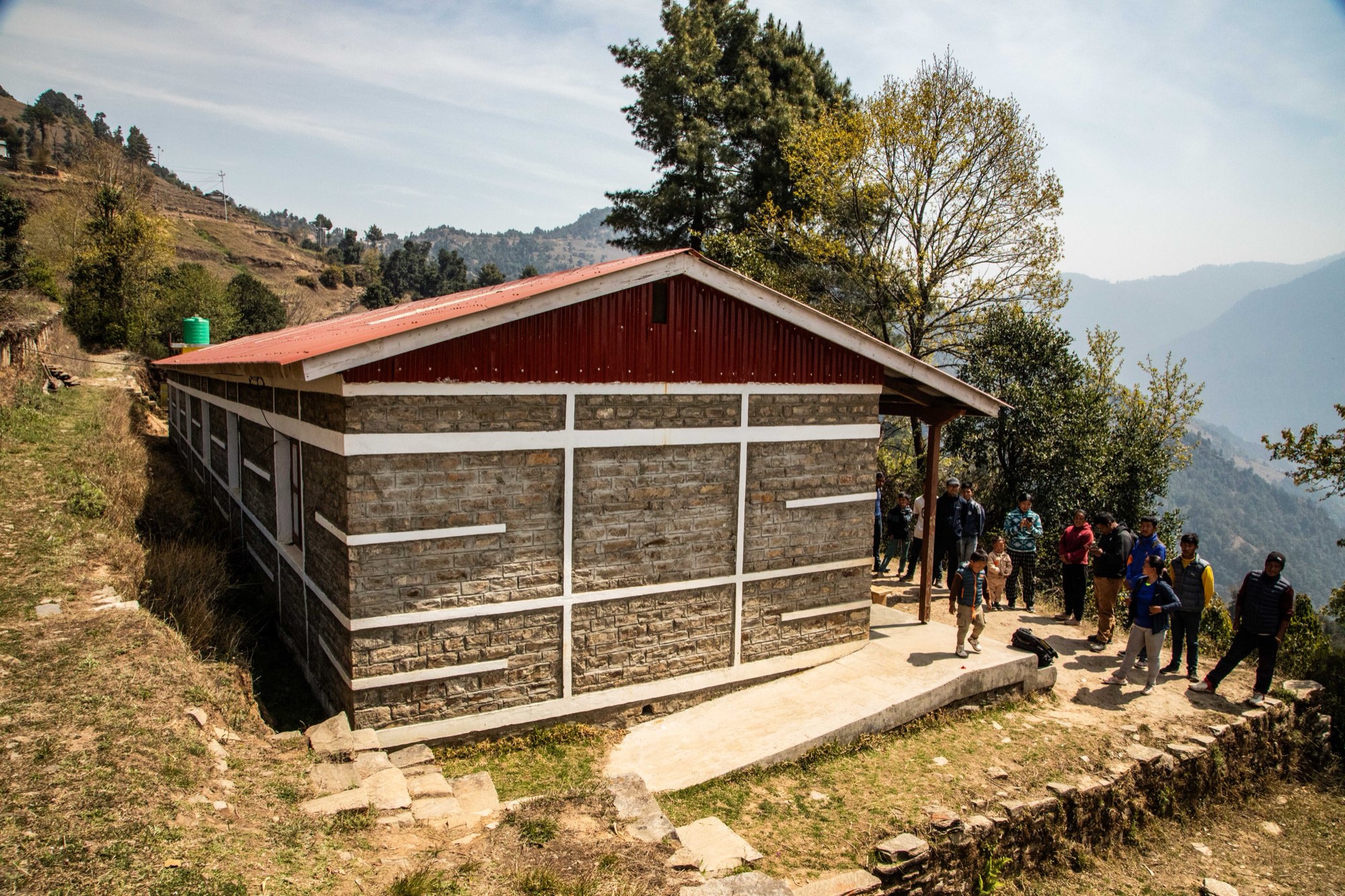
Our first project was a school at Khumjung in 1961, built with the village that asked for it. Read the full story in our history.
Sixty years on, we still work this way. No project begins without a community asking for it. No project ends when construction finishes. We train, we maintain, we return, and we stay.
What guides our work
Three commitments shape every project we support. You can read the full detail in our Strategic Plan.
Power in partnership
The people and communities of the Everest region are at the centre of all our work. Sir Ed set the Trust up to operate this way: we listen, we help where we can, and we back the community's own vision for its future. Communities tell us what matters most to them, and that is what we build.
Adventure by nature
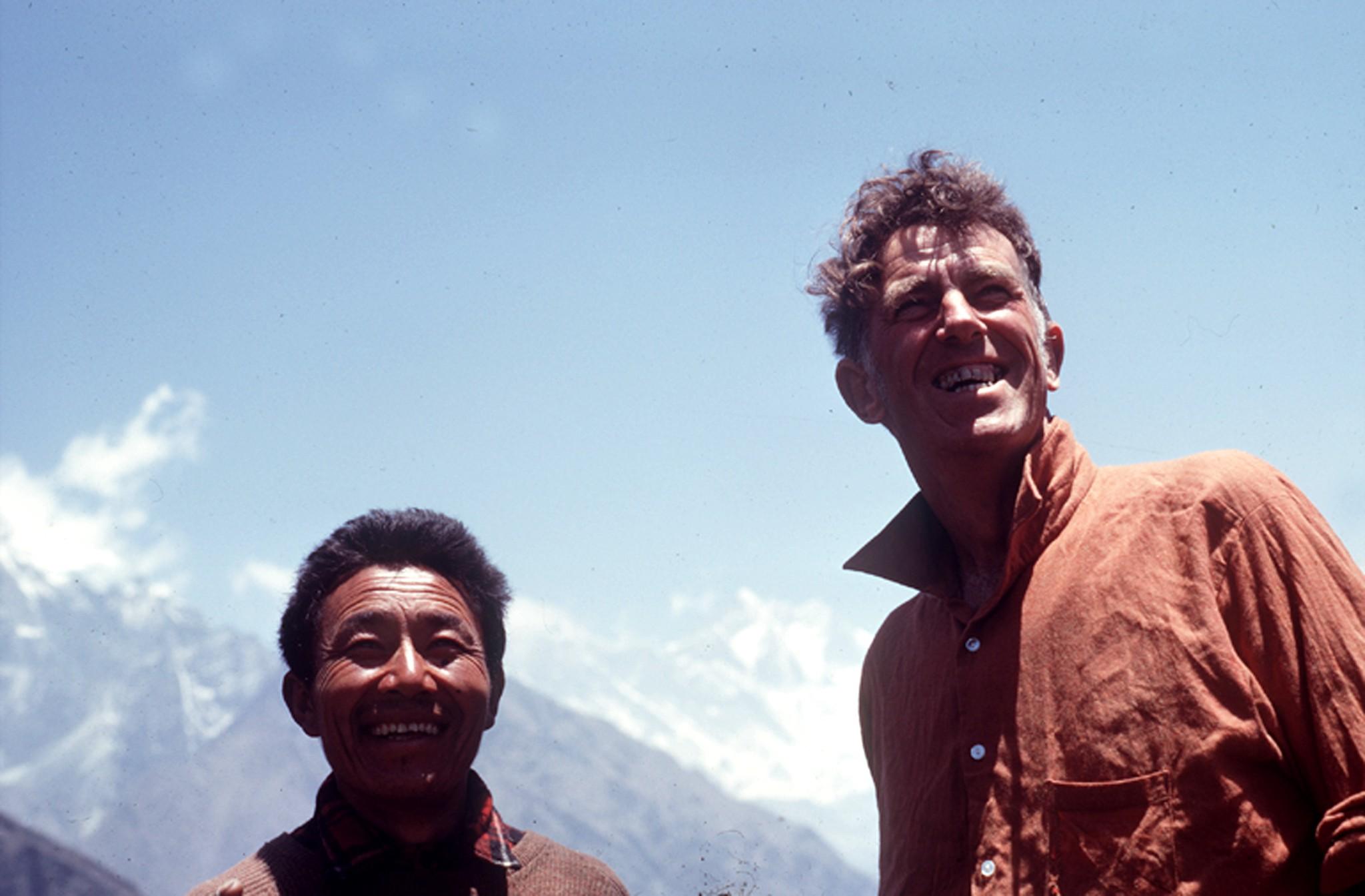
Our approach is rooted in the spirit of adventure that Sir Edmund Hillary embodied. We stay ready to explore new ideas, navigate the difficult terrain of development work, and adapt to what communities actually need. Sir Ed did not just climb mountains. He took on the problems others avoided: building an airstrip with shovels, running an iodine programme that ended generations of iodine-deficiency disease, rebuilding a monastery at sixty-nine. That willingness to take on a hard challenge and see it through is part of who we are.
Long-term commitment to change
We are committed to the people of Solukhumbu and the Everest region for years to come. This is not a five-year grant or a short intervention. We have been here for six decades. Some of our first students' grandchildren now attend the same schools. Families who worked with Sir Ed in the 1960s still work alongside us today. We build, and we stay.
Four areas, one approach
Every project starts the same way: a community asks for help. Then we work together to make it happen.
Education
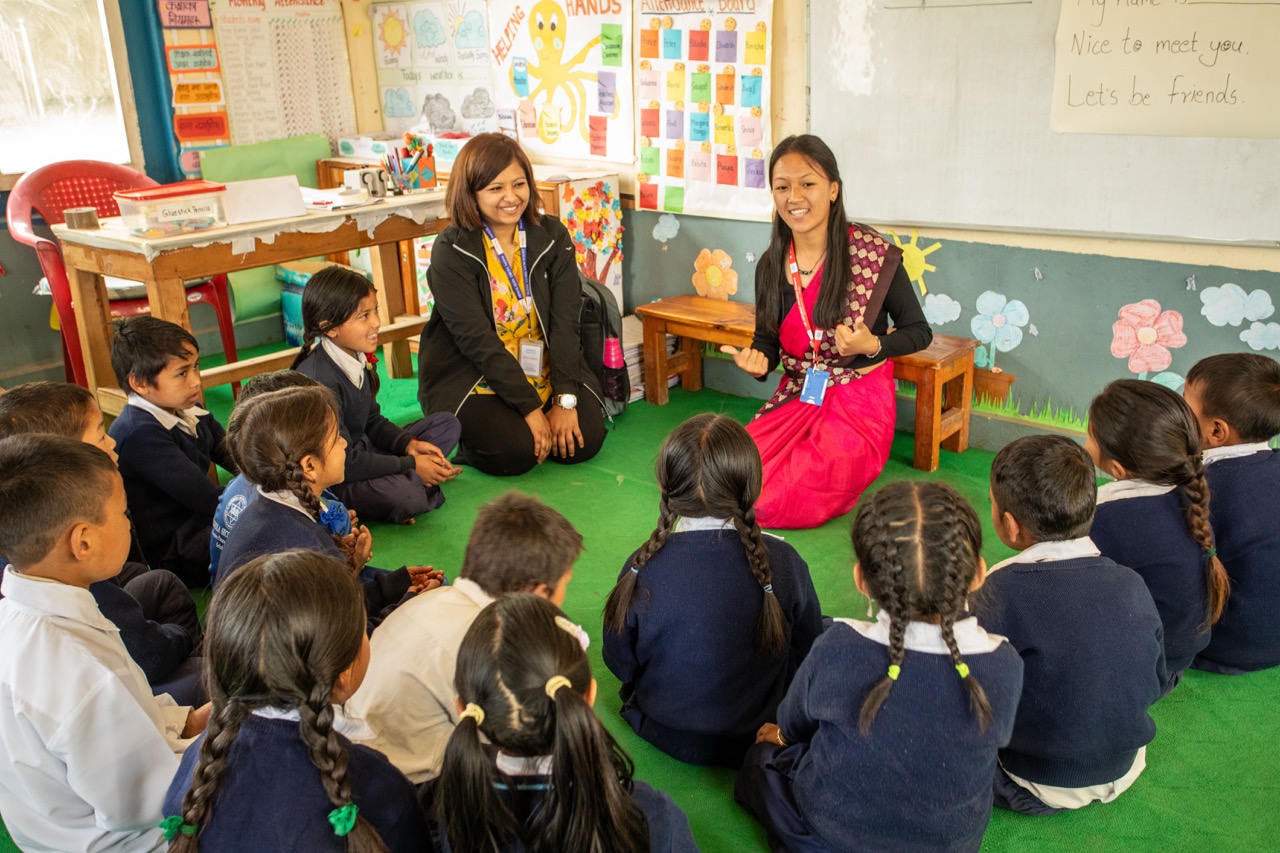
In 1960 a school was the first thing a village asked for, and it set the direction for everything that followed. Since then we have built 27 schools across the region, from Khumjung in 1961 to the classrooms strengthened after the 2015 earthquake. But buildings are only the beginning. We train teachers, fund scholarships, run literacy programmes through our Quality Education Programme, and provide menstrual health kits so girls do not miss school. Some of our first students are now teachers themselves.
Environment
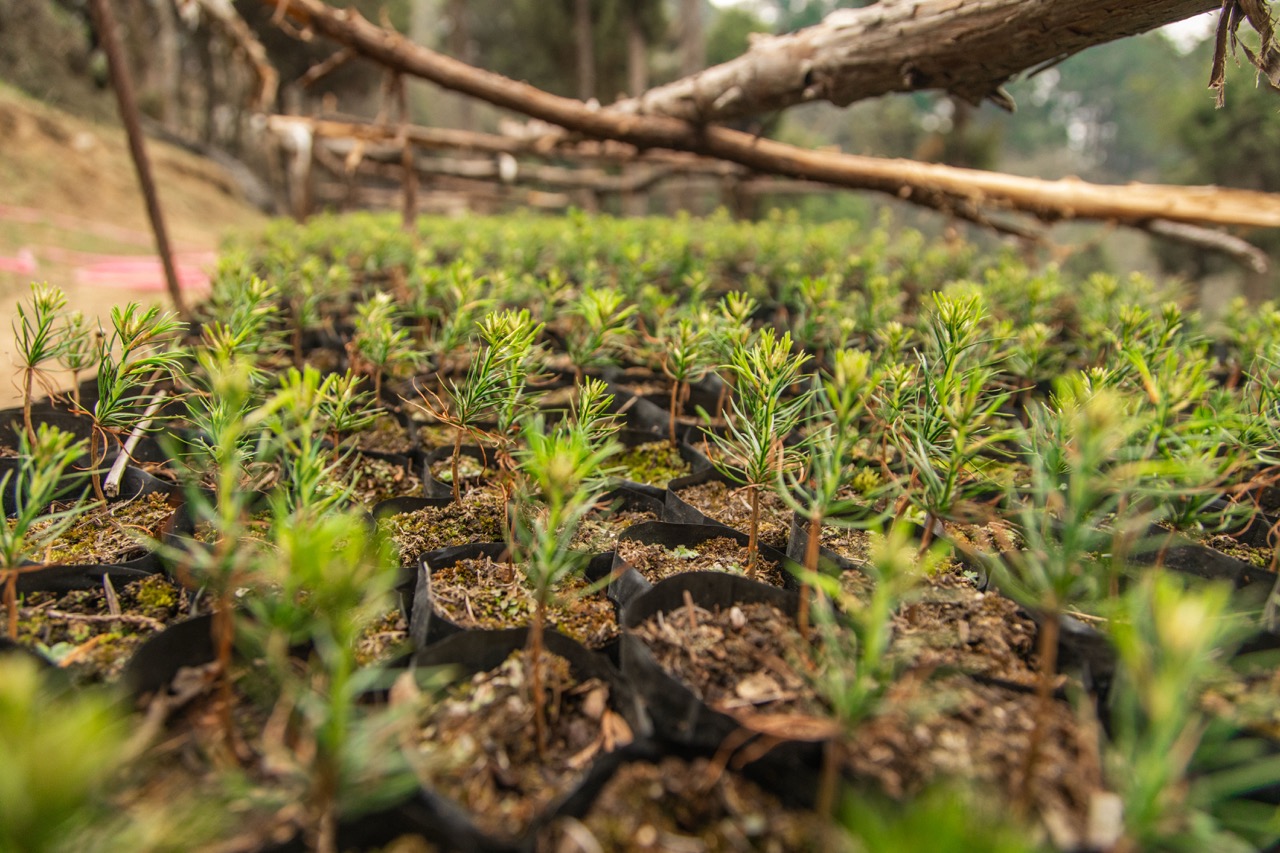
Sir Ed saw early what tourism would do to the Khumbu. Demand for firewood was stripping the forests. In 1979 the Trust established the Park Forestry Project, and the work to protect the mountains for the people who live in them continues today.
Water
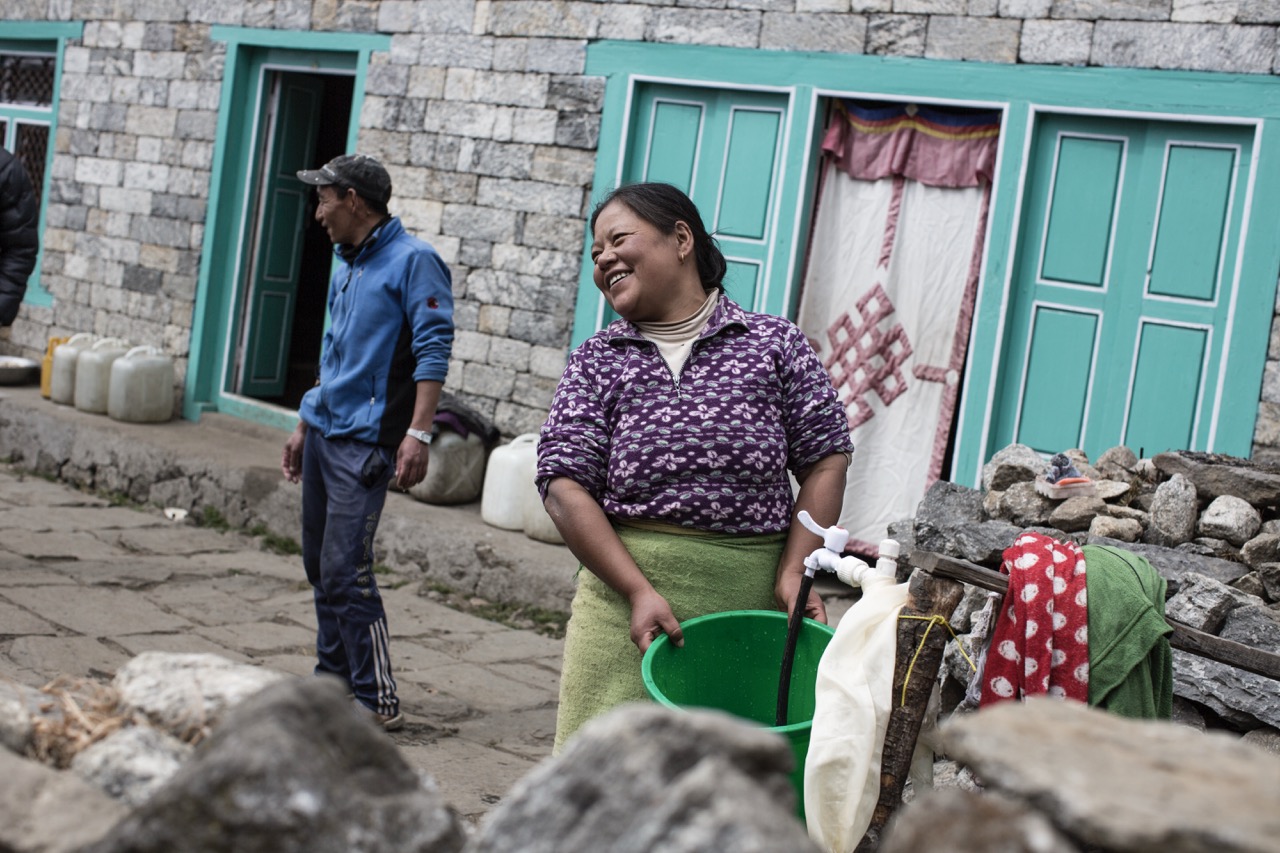
In the high villages, collecting water once took hours, and when supplies failed, health suffered. Our gravity-fed systems pipe clean water from mountain springs to homes, schools and lodges, so families spend less time carrying it and more time living.
Healthcare
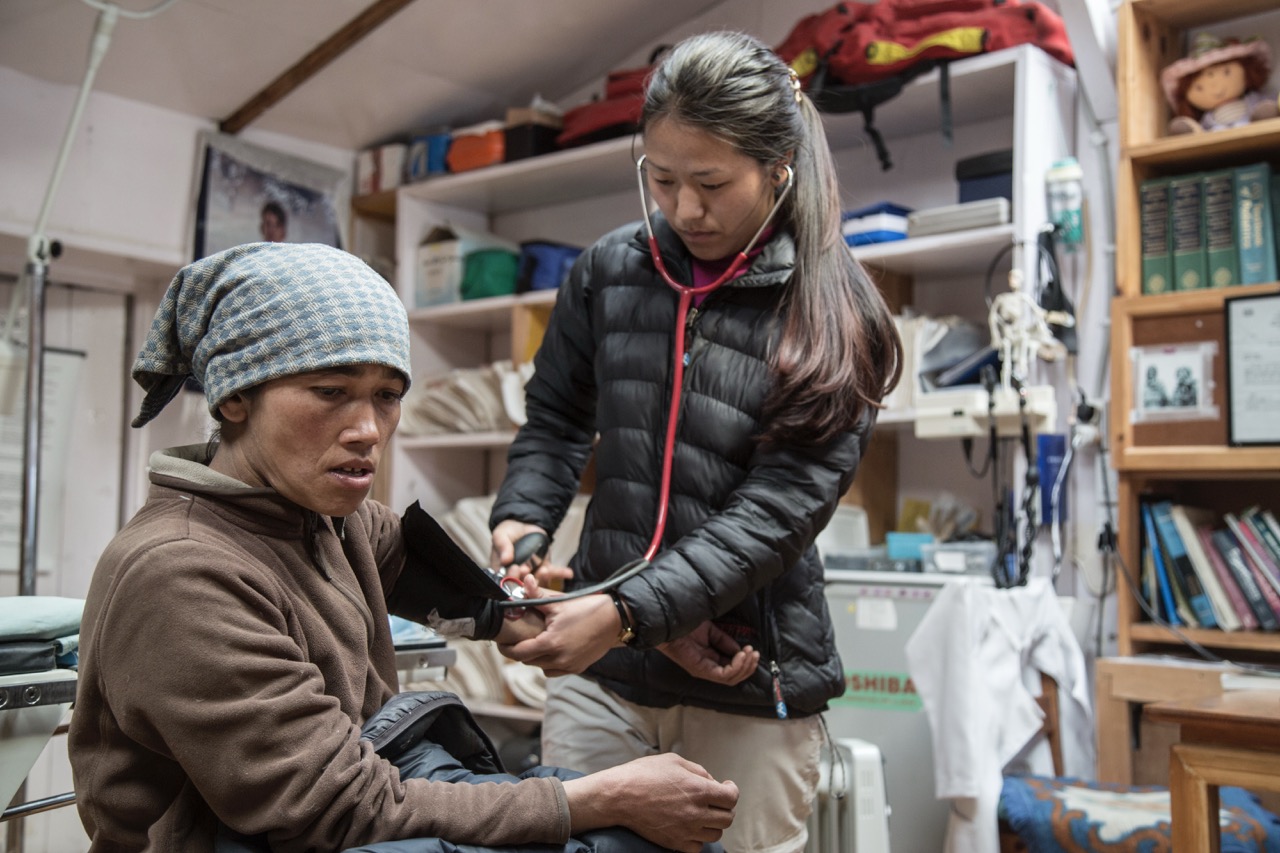
Before Khunde Hospital opened in 1966, there was no hospital in the region. Today Khunde and Phaplu hospitals still serve thousands, alongside a network of health clinics and ongoing medical training. Care reaches valleys you can only walk or fly into.
What six decades have built
Years of partnership since 1960
Schools built (1961 to 1997)
Hospitals: Khunde, 1966, and Phaplu, 1975
Earthquake-strengthened classrooms, across 36 schools (2015 to 2017)
Health clinics
Three generations of commitment
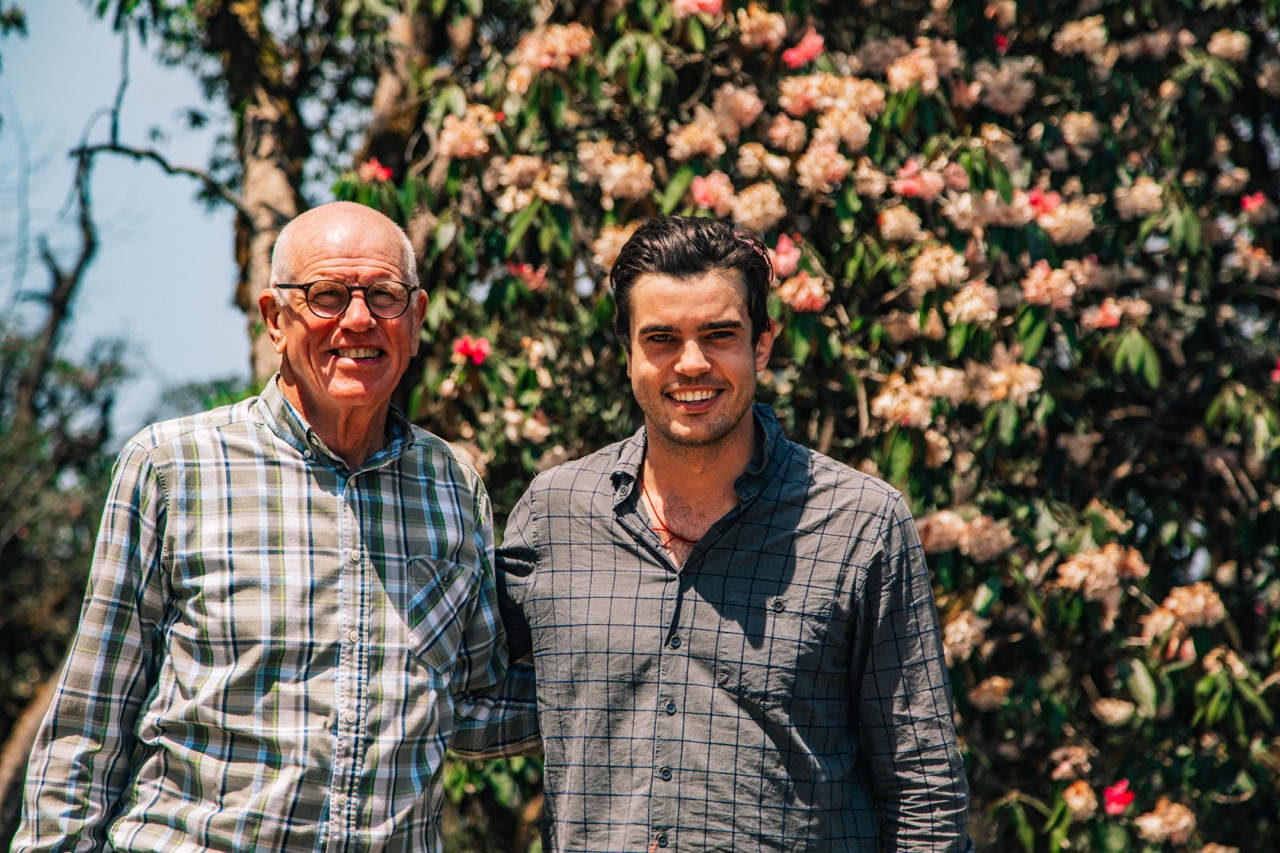
Sir Edmund Hillary founded the Trust in 1960. Today it is led by the two generations who followed him. His son, Peter Hillary, chairs the board. His grandson, Alexander Hillary, is our general manager. They work side by side, carrying a promise that was made before either of them was old enough to keep it.
Leadership is not only a Hillary story. Himalayan Trust Nepal, our autonomous sister organisation, leads the work on the ground, and we operate as equals. Some of the Sherpa families who worked with Sir Ed in the 1960s still work alongside us today. Dr Kami Temba, one of the first pupils at Thame School, became a doctor and came back to lead Khunde Hospital. That is what generational commitment looks like on both sides of the partnership.