Sixty years on, the work continues
Sir Ed built the first school in 1961 and the first hospital in 1966. Today the schools are run by Nepali teachers, the hospitals by Nepali doctors, and the water systems by the villages that own them. We are still here, still working alongside the same communities, in the same valleys.
We work in Solukhumbu, the district that runs from the foothills up to Everest. It is one of the most remote parts of Nepal. Supplies still move by plane, porter, mule and yak.
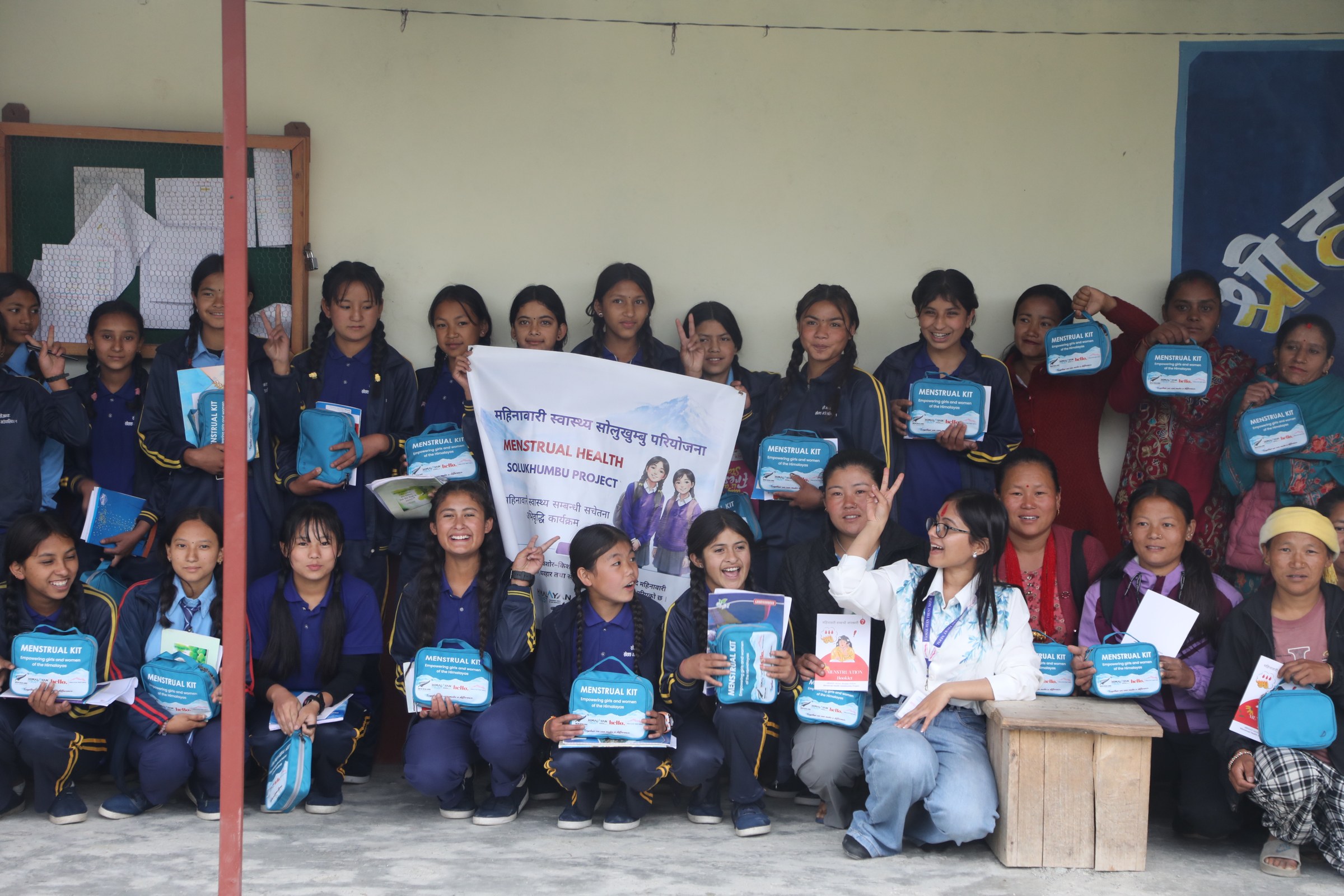
Our work sits in five areas: education, healthcare, water, livelihoods and the environment. Each one runs through local partners, local staff and local decision-making.
Education
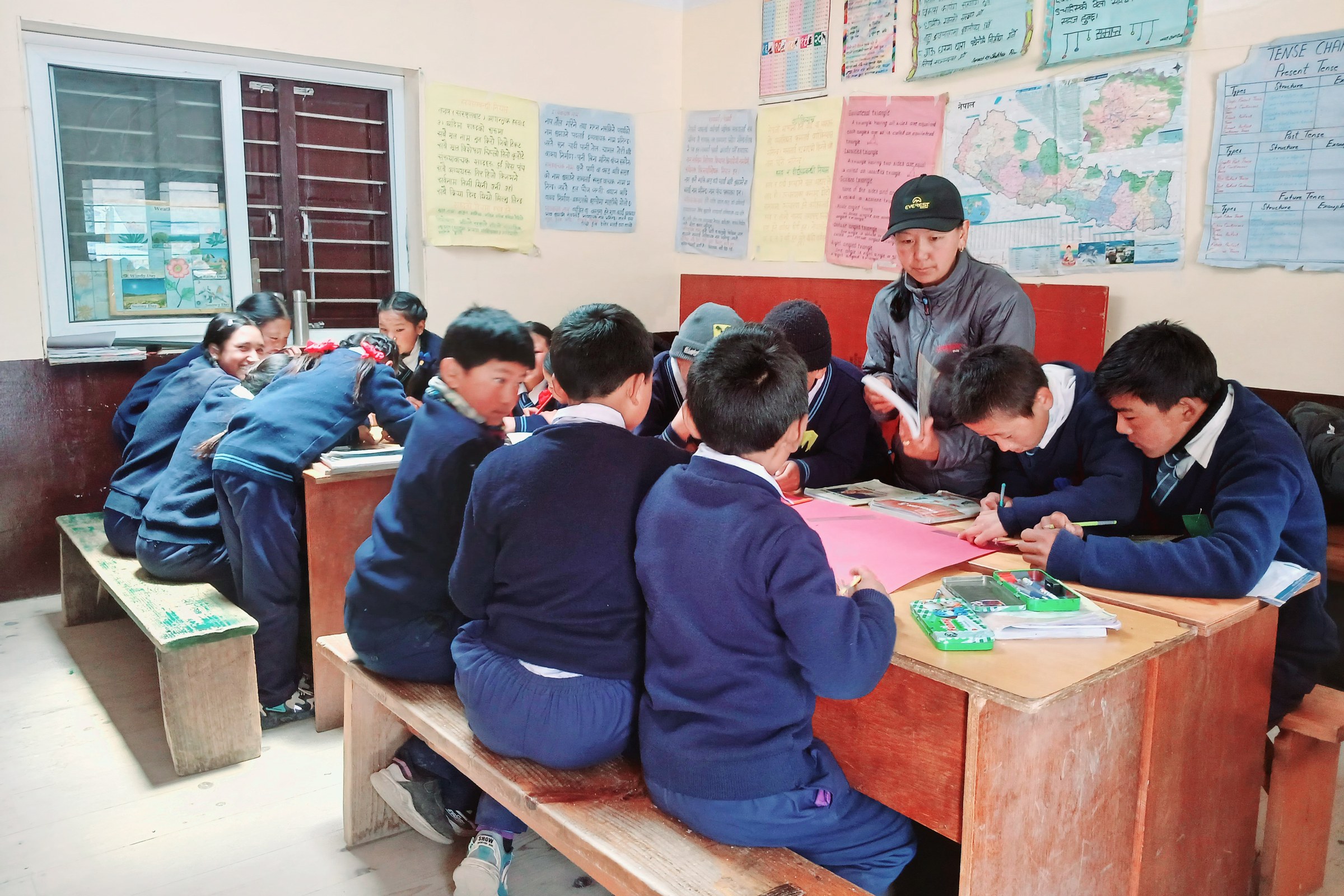
Sir Ed started by building schools. The need now is different. Buildings exist, but too many children in Solukhumbu still reach the end of primary school without solid reading and writing. The Quality Education Programme Solukhumbu is our answer.
Current education projects
Healthcare
Sir Ed built Khunde Hospital in 1966, the first in the region, after a smallpox outbreak during a 1963 expedition showed him what the absence of healthcare cost. Phaplu Hospital followed in 1975, then a network of rural clinics. For the first thirty-six years the hospitals ran on volunteer doctors, many of them New Zealanders. Since 2002 they have been staffed entirely by Nepali medical professionals: Dr Kami Temba, who began as a health worker, became the first Nepali doctor-in-charge at Khunde. Live right now: ongoing funding, training and medical supply for Khunde and Phaplu.
Current healthcare projects
Water
Before a village has a water system, people walk up to an hour to a source and carry it home on their backs. After, it runs to the house. We have built systems in Bubsa, Monjo, Lukla and Musey: seismic resistant, piping water directly into homes, filtered through sand, storing enough to irrigate crops, and including fire hydrants. Each one is maintained by the village itself, funded by a small charge for the water and run by locals trained to repair it, which is the part that makes them last. The Lukla system alone serves 200 homes and businesses, around 3,000 people.
Current water projects
Environment
Sir Ed helped establish Sagarmatha National Park. From 1981 the Trust ran the forest nursery project inside it, and over thirty years it planted about 2 million trees. In 2010 we handed it to the National Park and its Buffer Zone; the nurseries at Phurte and Tashinga still run today. The lower Khumbu is close to fully replanted; the high ground is where the work is now, and it is the hardest place to do it. Live right now: a trial planting is taking seedlings from Phurte Nursery up to Thame to see whether they survive the altitude. The results so far are compelling, so a local nursery may not be needed.
Current environmental projects
Livelihoods
In April 2014 an avalanche above Everest Base Camp killed 16 Nepali climbers, many of them from the upper Khumbu villages where we work. Within hours the Trust launched an appeal to keep their children in school through to Grade 12, and it is still paying for several of them today. We also back work that helps people earn a living in these valleys. The original 1961 Khumjung schoolhouse is now a museum whose ticket income helps fund the school, and in Phaplu we support a mountain bike club building trails to create work for local young people.
Current livelihoods projects
Where the work is happening
A selection of what your support is building, from the Solu valleys to the upper Khumbu.