
Revisiting the Nepal Earthquake 10 years later
Building on Hillary’s Legacy—Himalayan Foundations Vital to Nepal 10 Years After the 2015
Earthquake Sir Edmund Hillary, alongside Tenzing Norgay, made history in 1953 by reaching the summit of Mount Everest as part of a British expedition. Yet, he considered his greatest achievement to be what came after—his lifelong commitment to building schools and medical clinics in the foothills of Nepal.
His philanthropic legacy continues through the Himalayan charities he inspired, which remain dedicated to supporting better education and health access and outcomes in Nepal. A decade ago, this commitment was powerfully reaffirmed when the family of foundations—the Himalayan Trust New Zealand (HTNZ), Himalayan Trust UK (HTUK) and the Australian Himalayan Foundation (AHF)—joined forces to respond to the devastating 2015 Nepal earthquake.
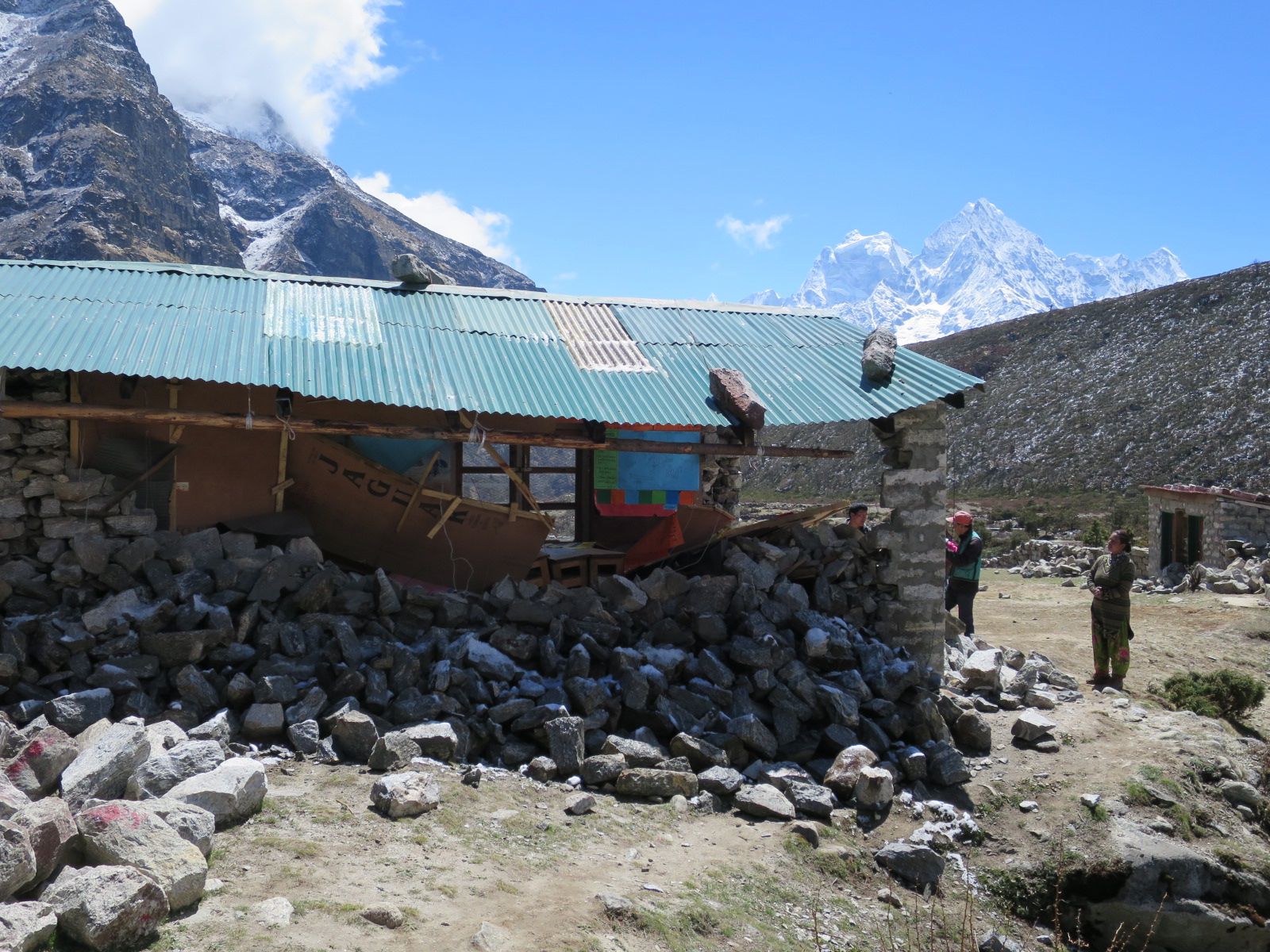
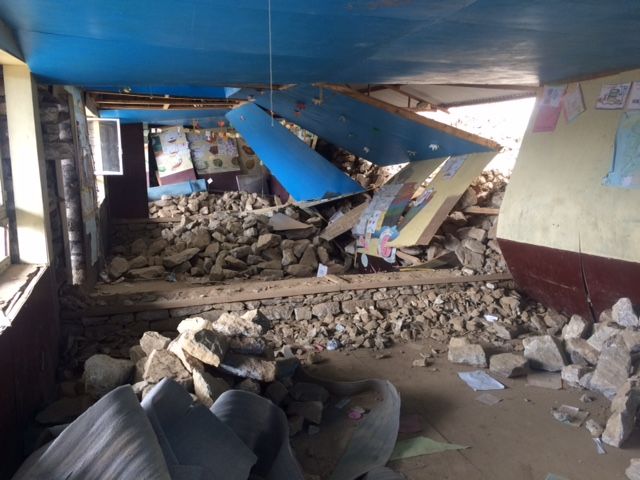
On April 25, 2015, a 7.8-magnitude earthquake struck Nepal, claiming nearly 9,000 lives and displacing millions. In response, three Himalayan foundations who had been individually working in Nepal for decades, forged an alliance, to take on the monumental geographical and logistical challenges—sharing knowledge, costs, and technical expertise to maximise their collective impact. What began as an emergency response and recovery effort evolved into a long-term commitment to rebuilding schools in earthquake-affected regions and helping Nepal to continue to become stronger, safer and better prepared for the future.
“Collaboration is strength and it is the friendship that binds when things get tough. The partnership of the Himalayan Trust UK, the Australian Himalayan Foundation and the Himalayan Trust NZ during the devastating Nepal earthquake of 2015 demonstrated how our common legacy and combined commitment delivered to the people of the Himalaya when they needed it most. We are here for Nepal and we are here for the long term. My father’s greatest commitment to the people of the Himalaya was continuity of education and health and environmental programmes and that is what our collaboration presents today.”
– Peter Hillary, Board Director, AHF, HTNZ & HTUK supporter
Post-Earthquake Assistance
Together, working with their long-standing Nepali NGO partners, HTUK, HTNZ and AHF quickly pivoted from development work to:
- Provide immediate relief to affected communities, delivering essential supplies such as tarpaulins, food, clean water and medical assistance to the most impacted areas
- Establish emergency medical clinics to respond to the immediate health needs
- Construct more than 50 temporary learning centres to get children back in school as soon as possible while their schools were being rebuilt
- Rebuild 179 classrooms using earthquake-resistant designs across 43 schools in Solukhumbu, Taplejung and Kanchenjunga, benefiting over 7,500 students
- Train 114 people in masonry and school retrofitting as part of the reconstruction project, creating skilled local labour forces
- Build toilet facilities and connect a reliable water supply at 36 schools
- Provide trauma counselling and training to 1,600 teachers to support earthquake-affected children and families
Collectively, £2.7 million was provided by Australian, New Zealand and UK foundation supporters for the emergency response and reconstruction programs.
Nepal Now
While progress has been made over the past decade, there is still much to be done. The recent changes in global aid are threatening vital health and education services, especially in Nepal's most remote regions. In these challenging times, the continued partnership between our charities and local Nepali NGOs is more essential than ever.
- Poverty alleviation | Nepal remains one of the world's poorest and least developed countries, currently ranking 146 out of 193 in the UN Development Programme’s Human Development Report with a GDP per capita of around USD 1,300.
- Disaster response | The Himalaya is considered the world’s Third Pole and Nepal is increasingly aff ected by a changing climate. The country is also highly prone to natural disasters and seismic activity, including floods, landslides and earthquakes. Disaster preparedness and swift emergency response capacity are vitally important given this vulnerability.
- Healthcare services | Nepal’s healthcare system operates with limited funding in challenging terrain, making access difficult in remote and mountainous areas. Isolated communities often face long, difficult journeys to reach medical care only to encounter shortages of trained staff , equipment and medicines.
- Quality and inclusive education | Most children in Nepal now attend primary school, however barriers including poverty, geography, social exclusion, disability and gender bias persist. Families often struggle with additional costs for books, uniforms and meals, leading some children—especially from poor backgrounds—to drop out before entering or fi nishing secondary school.
As we mark ten years since the 2015 Nepal earthquake, some scars remain—but so does the strength of the Nepali people and our commitment to stand alongside them, and with each other.
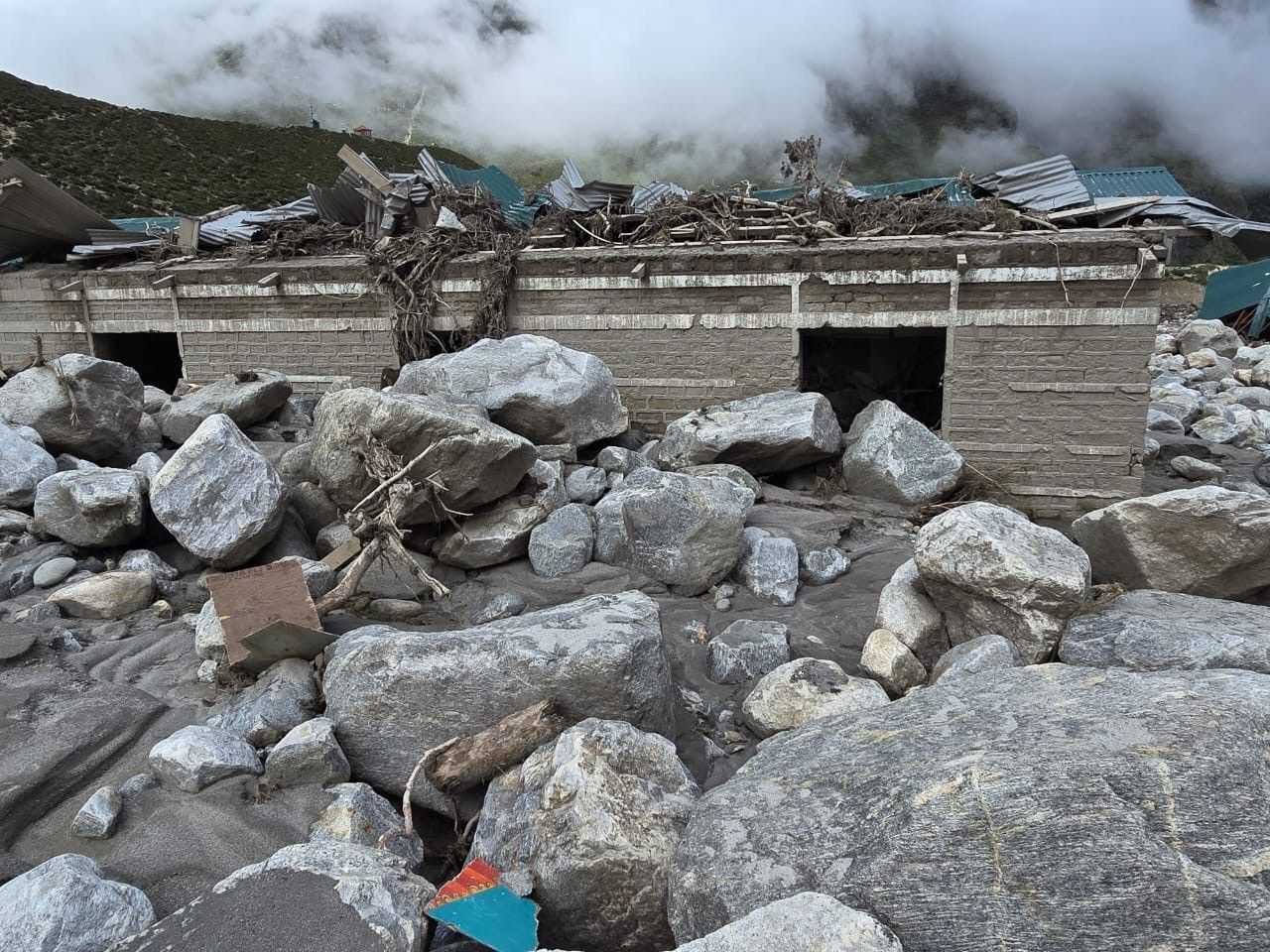
“The school in the Sherpa village of Thame was rebuilt with an earthquake-resistant design after the 2015 earthquake. Incredibly, it recently withstood the full force of the 2024 glacial fl ood disaster —where water and huge boulders collided with the building. With many buildings around it completely gone, its survival is a testament to the necessity of our ‘build back better’ philosophy and it now stands as a beacon of resilience in a region continually challenged by natural disasters.”
– Alexander Hillary, General Manager, Himalayan Trust New Zealand (HTNZ)