
In the Footsteps of Hillary II: Return to Everest Base Camp
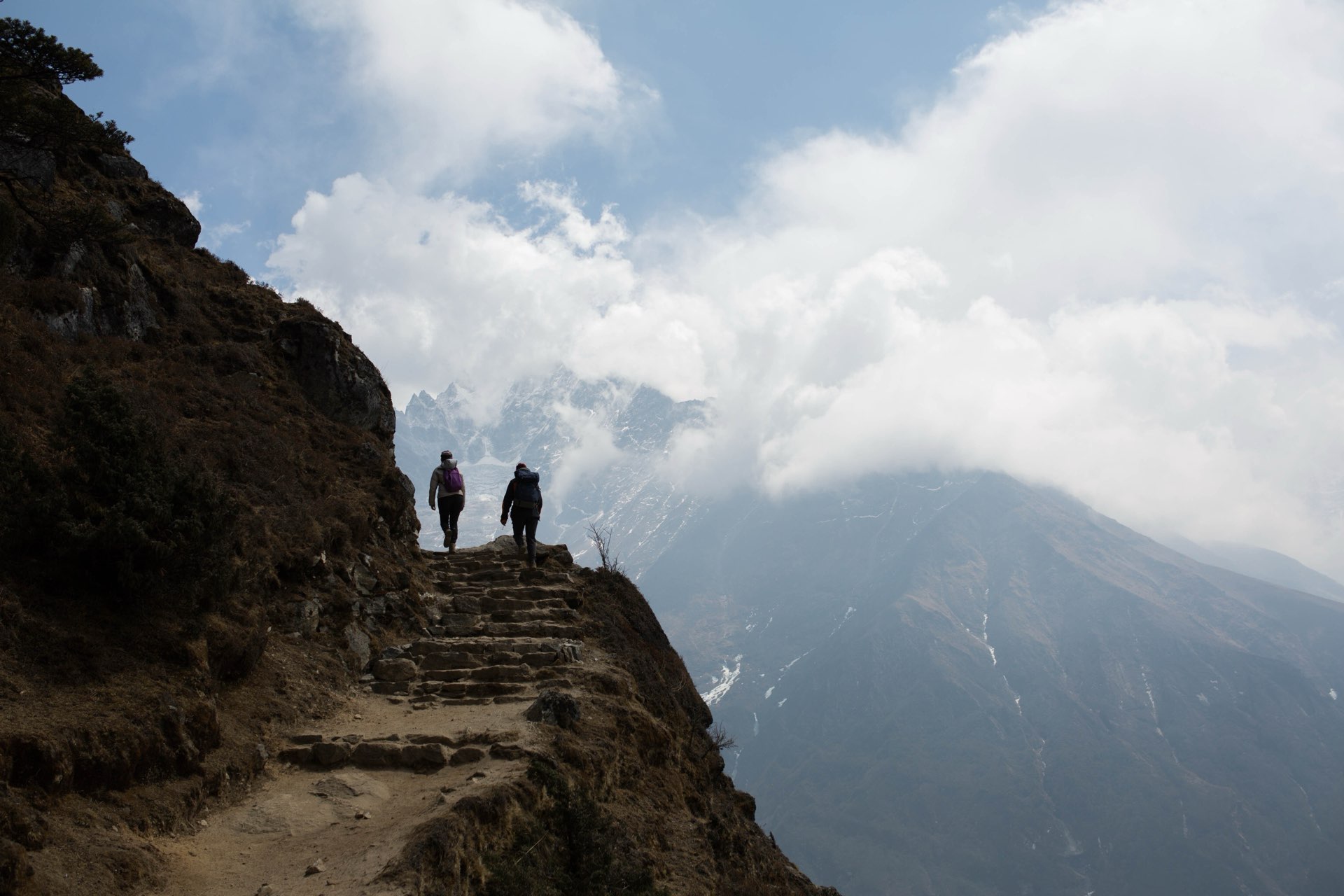
The trek at a glance
Most days are spent walking. The rest are for arrival, acclimatisation and departure. The itinerary is paced for safe altitude adaptation, with rest days built in at Namche Bazaar and Dingboche. You leave changed. The villages benefit.
Total days
Days on the trail
Departure
Difficulty
People in the group
Highest point
Why this trek
In November 2026 Peter Hillary, Sir Edmund Hillary's son and the Trust's chairperson, leads his last high-altitude guided trek, and you can walk it with him. Over 22 days, 18 of them on the trail, you follow the route to Everest Base Camp, visit the first Himalayan Trust school at Khumjung, and finish in Khunde, where the group joins the village to mark 60 years of the hospital Sir Ed and the Trust built there. Your donation goes to the Trust's work in the same valleys you walk through.
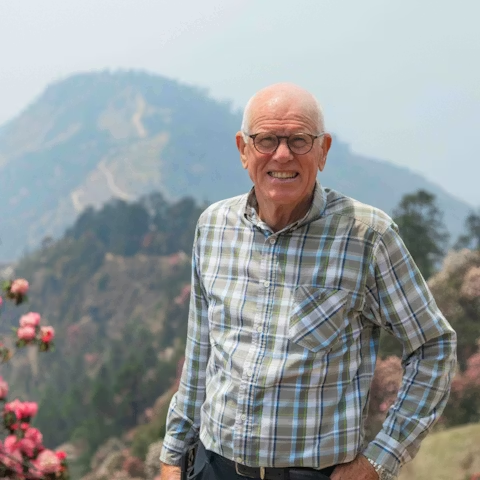
Peter Hillary
Peter Hillary is one of the world's most respected high-altitude adventurers and a lifelong champion of the Himalayan Trust's work. He has completed five Mount Everest expeditions, summited the peak twice, and climbed the Seven Summits. He has spent decades walking, climbing and guiding in the Himalayas, building deep relationships with the Sherpa community and continuing his family's legacy as Chairperson of the Himalayan Trust.
Walk in Sir Ed's footsteps, and see the work
You follow the routes Ed Hillary and the early Himalayan Trust expeditions walked, from the days before airports reached the Himalayas, up the Khumbu to the Sherpa villages beneath the world's highest mountain. You pass the schools and hospitals Ed built, visit the school he founded at Khumjung in 1961, and meet the students learning there now. The good your trek pays for isn't a line in a report. It's the room you're standing in.
Mountain monasteries, museums and living culture
We helped establish the mountain museum at Ed's first school in Khumjung, where the visitor centre tells the story of education, environmental care, and the partnership between the Sherpa community and Ed Hillary. You'll step inside monasteries among the oldest and most intricate buildings in the Khumbu to witness prayer and puja, and through our local contacts you'll come to understand the living history of these mountains, not just photograph it.
Support the valley, travel consciously
Trekking with the Trust keeps your money in the valley, funding education, healthcare, water and environmental work in the same region you walk through. You sleep in family-owned lodges, eat Sherpa and Nepali home cooking, and take extra nights at Namche and Dingboche to acclimatise and explore. We go slowly, on purpose: in spring the rhododendron is in bloom, and from villages like Khunde and Tengboche you can climb onto alpine ridgelines for views across to Everest. You leave richer for it, and you leave something behind for the community that welcomed you.
This November 2026, join the Himalayan Trust for a final, commemorative trek to Everest Base Camp guided by Peter Hillary, son of Sir Edmund Hillary and Chairperson of the Himalayan Trust. It will be Peter's last high-altitude guided trek.
A journey with purpose
Nowhere on earth rivals the majesty of the Everest region, where four of the world's six highest peaks (Everest, Lhotse, Makalu and Cho Oyu) crown the horizon. Trekking with the Himalayan Trust means walking not just in Sir Edmund Hillary's footsteps, but alongside the communities who have made these mountains their home for generations. You will visit the villages of Khumjung and Khunde, meet the hospital team, and see how the Hillary legacy continues through local-led education, healthcare and environmental work. Along the way the group visits projects the Himalayan Trust has supported: water systems, schools, hospitals, and even bridges and airstrips.
The trek experience
The Everest Base Camp trek is one of the world's most iconic journeys. You will experience breathtaking mountain views, visit ancient monasteries, and walk through Sagarmatha National Park, a UNESCO World Heritage site. The well-paced itinerary allows plenty of time to acclimatise. Each day the group stays in Sherpa homestays and lodges, with local porters carrying extra equipment so trekking packs stay light.
Khunde 60
This special trek culminates in Khunde, where the group joins the local community to mark the 60th anniversary of Khunde Hospital, built by Sir Ed and the Himalayan Trust 60 years ago. Together we honour the New Zealand, Canadian and Nepali doctors who have contributed so much through the hospital.
Activities and accommodation
An 18-day trek with Kathmandu sightseeing; flights into, among and out of the Himalayas; school, hospital and monastery visits; mountain hikes; museums and location experiences; and speeches from Peter Hillary. Accommodation is 4 nights in a hotel and 17 nights in Himalayan lodges. Guided by Peter Hillary and his sirdar Pasang Temba.
Itinerary
22 days total, 18 days trekking, 4 to 25 November 2026. The itinerary is a guide only and may vary due to weather and unforeseen contingencies.
Arrive Kathmandu
Day 1
Arrive into Kathmandu and settle into your hotel.
Kathmandu tours
Day 2
Introductions and tours around Kathmandu.
Fly to Lukla, trek to Phakdingma
Day 3
Fly to Lukla and trek to Phakdingma (2,610m).
Trek to Jorsale
Day 4
Trek to Jorsale, observing Himalayan Trust projects along the trail.
Hike to Namche
Day 5
Hike up the Namche hill to Namche village (3,440m).
Acclimatisation in Namche
Day 6
Acclimatisation day in Namche, including easy walks to the National Park HQ.
Hike to Khumjung
Day 7
Hike to Khumjung village and visit the first Himalayan Trust school.
Hike to Tengboche
Day 8
Hike to Tengboche village and monastery (3,970m).
Hike to Pangboche
Day 9
Hike to Pangboche via the forest route.
Hike to Dingboche
Day 10
Hike to Dingboche via Mingbo (4,410m).
Acclimatisation in Dingboche
Day 11
Acclimatisation day in Dingboche.
Hike to Dugla
Day 12
Hike to Dugla.
Hike to Lobuche
Day 13
Hike to Lobuche, an alpine village (4,940m).
Hike to Gorak Shep
Day 14
Hike to Gorak Shep, the staging post to Everest Base Camp (5,165m).
Everest Base Camp and Kala Patthar
Day 15
Hike to Everest Base Camp and Kala Patthar (5,545m), returning to Lobuche.
Descend to Pangboche
Day 16
Hike down valley to Pangboche.
High route to Khumjung
Day 17
Hike the high route down to Khumjung.
Khunde 60th Anniversary Celebration
Day 18
Khunde 60th Anniversary Celebration; explore the hospital and monastery.
Khunde Ri and Hillary Chortens
Day 19
Hike to Khunde Ri and the Hillary Chortens, followed by further Khunde 60 events.
Depart Khunde for Kathmandu
Day 20
Depart Khunde for Kathmandu; helicopter to Lukla then aeroplane to Kathmandu.
Kathmandu sightseeing
Day 21
Tours around historical sites in Kathmandu.
Depart Kathmandu
Day 22
Depart Kathmandu and onward travel home.
$
13760
NZD
What your money does
Your donation or fundraising goes directly to the Himalayan Trust's work in the same valleys you'll walk through. Here's where it lands.
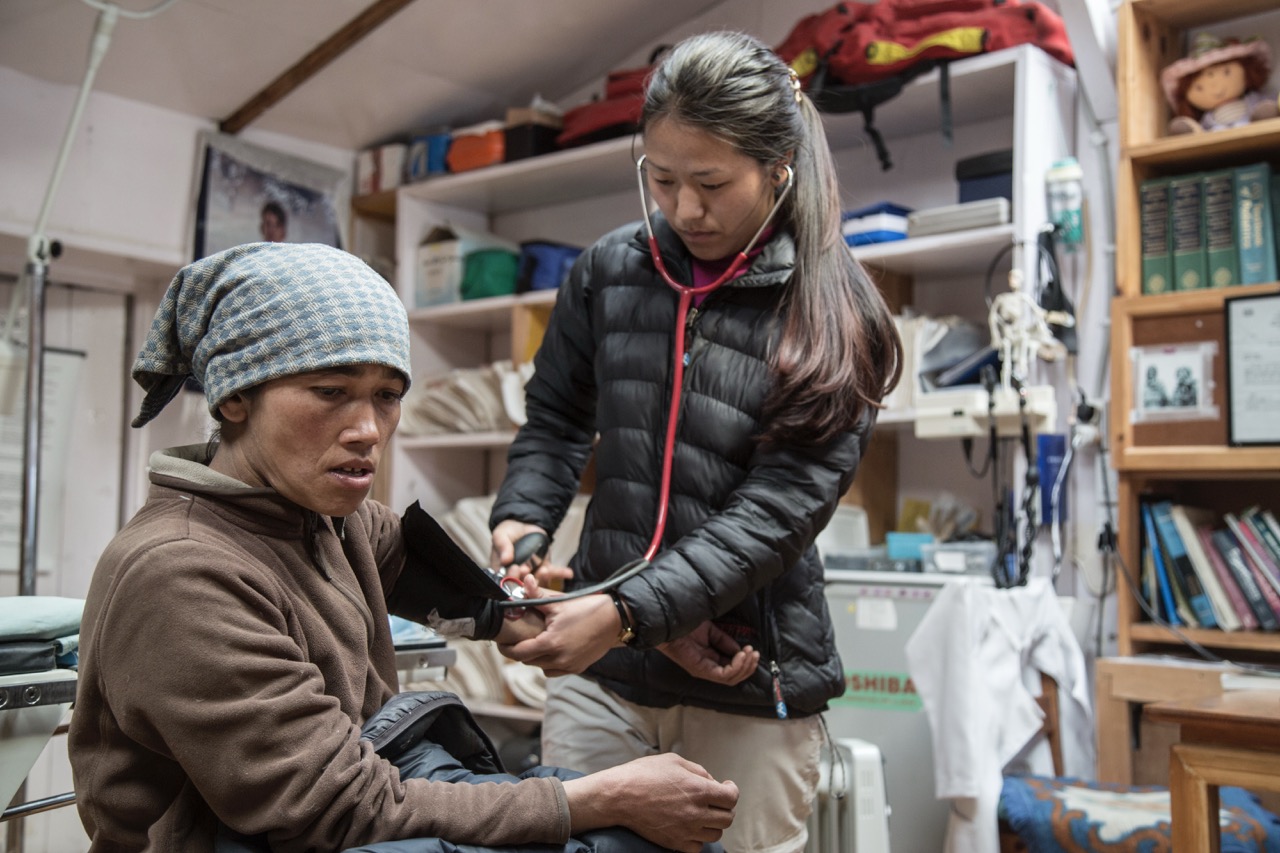
Clinics and hospitals where none existed
Before Khunde Hospital opened in 1966, nearly half of children died before age 20. In our latest annual report, Khunde Hospital, two outreach clinics and our medical camps cared for 7,254 patients.
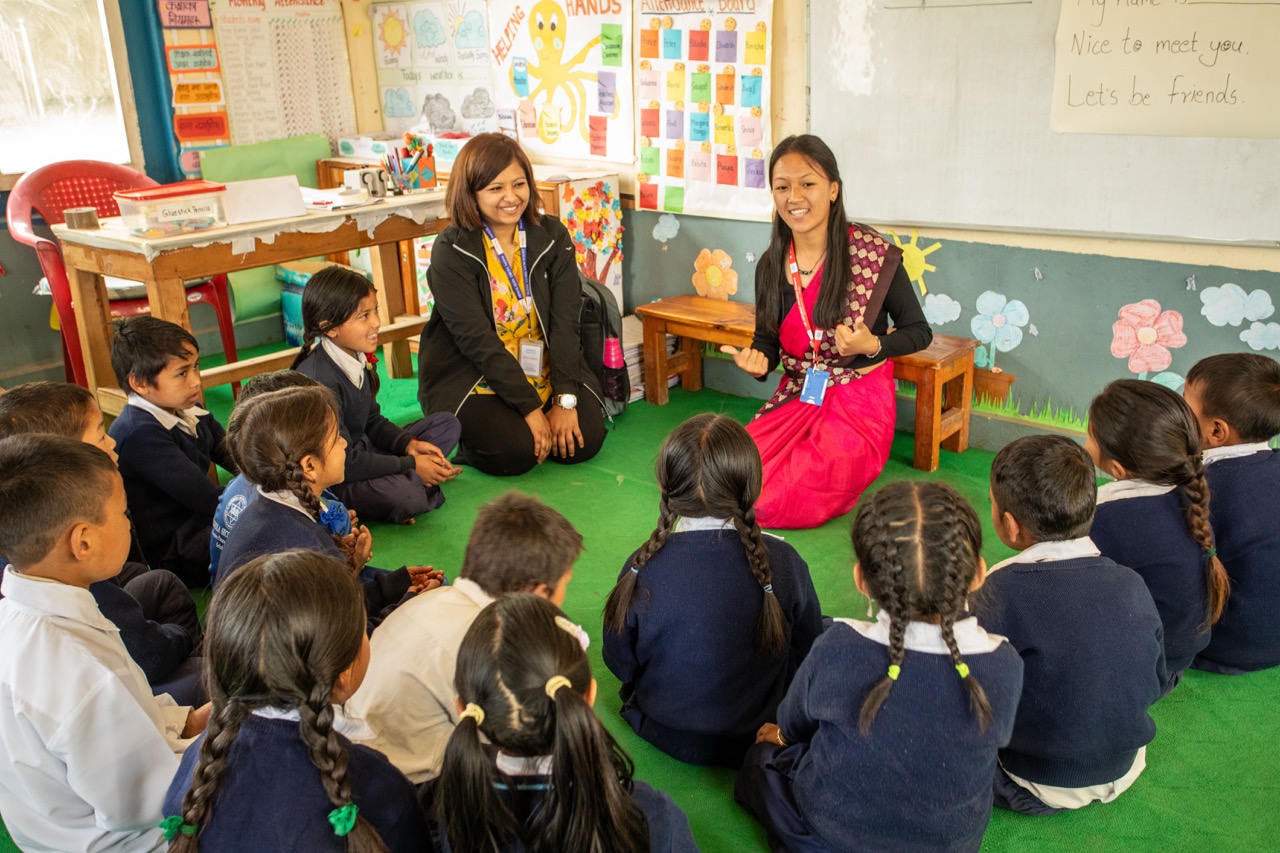
Schools at 3,800 metres
Children who once walked four hours each way now learn in their own villages. We've built 27 schools, and after the 2015 earthquakes, rebuilt 150 classrooms stronger than before.
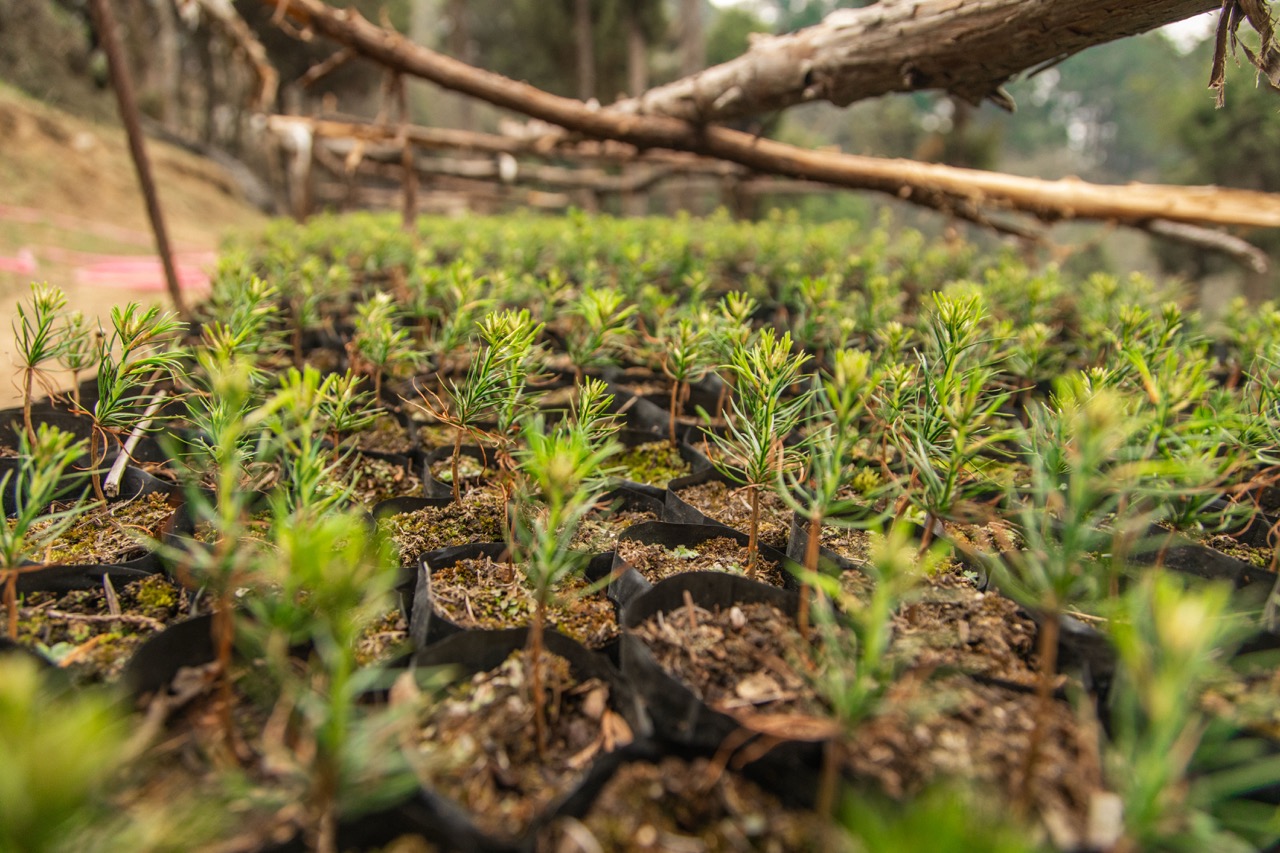
Protecting the mountains we love
Sir Ed helped establish Sagarmatha National Park to balance tourism with conservation. We continue supporting sustainable forest management in the region.
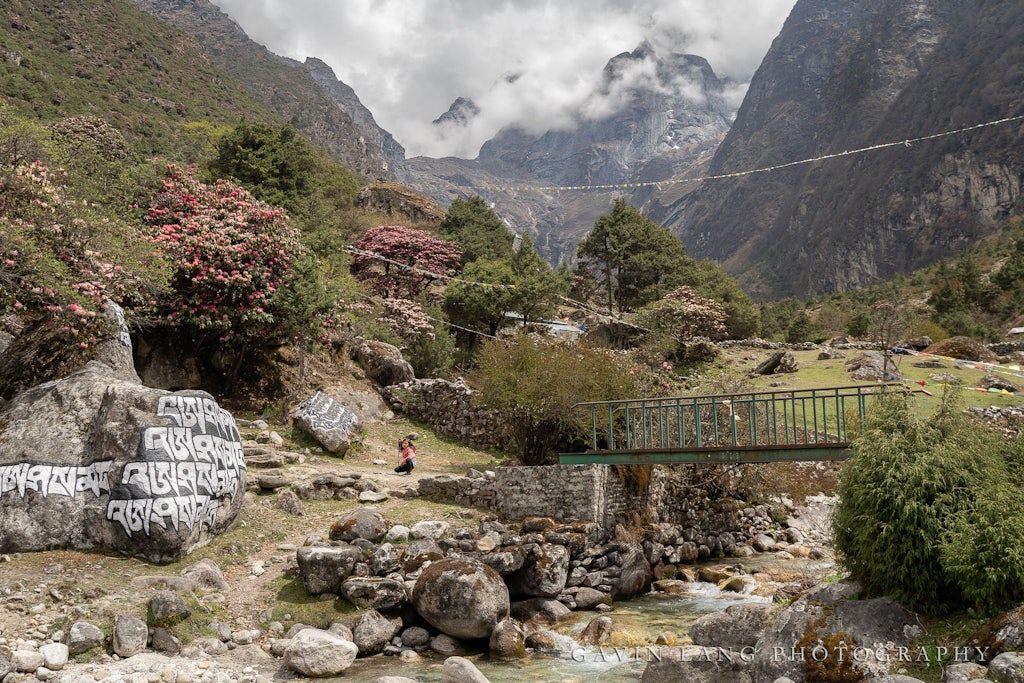
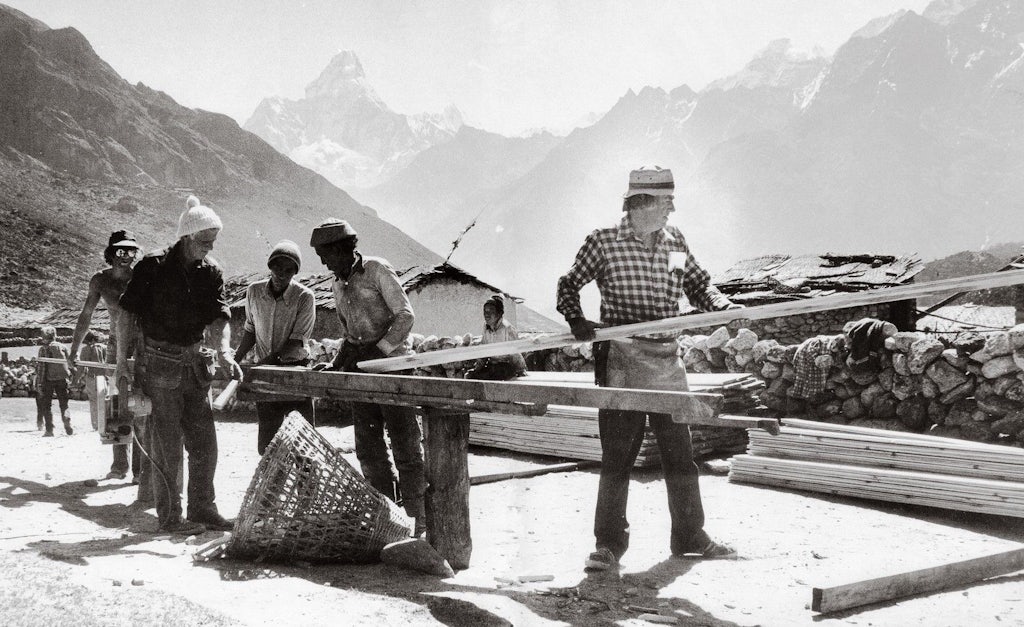
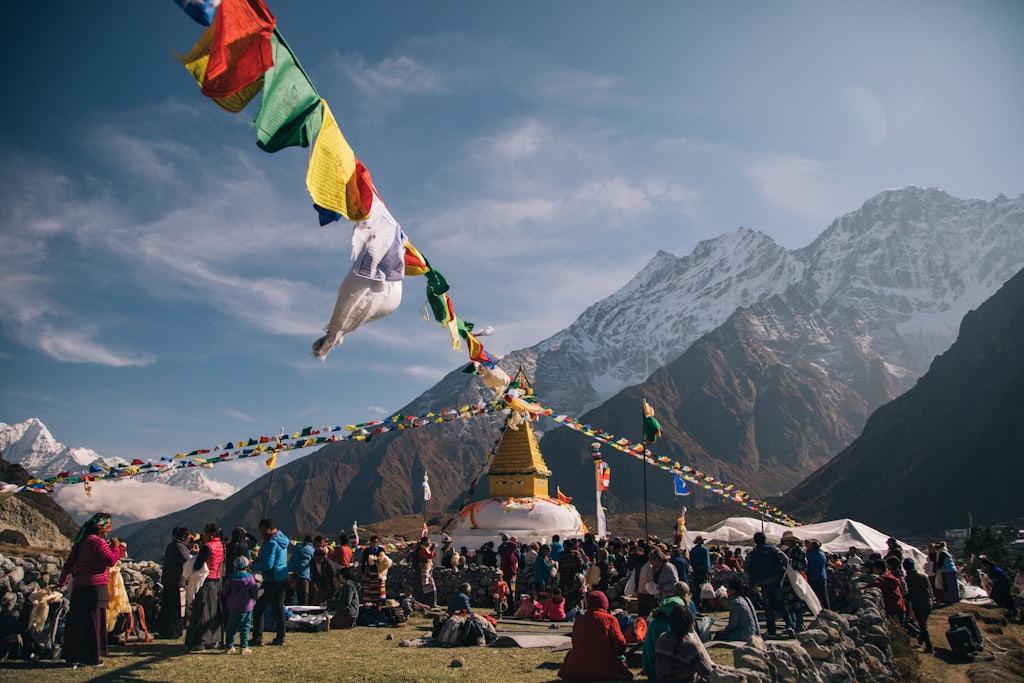
On the trail
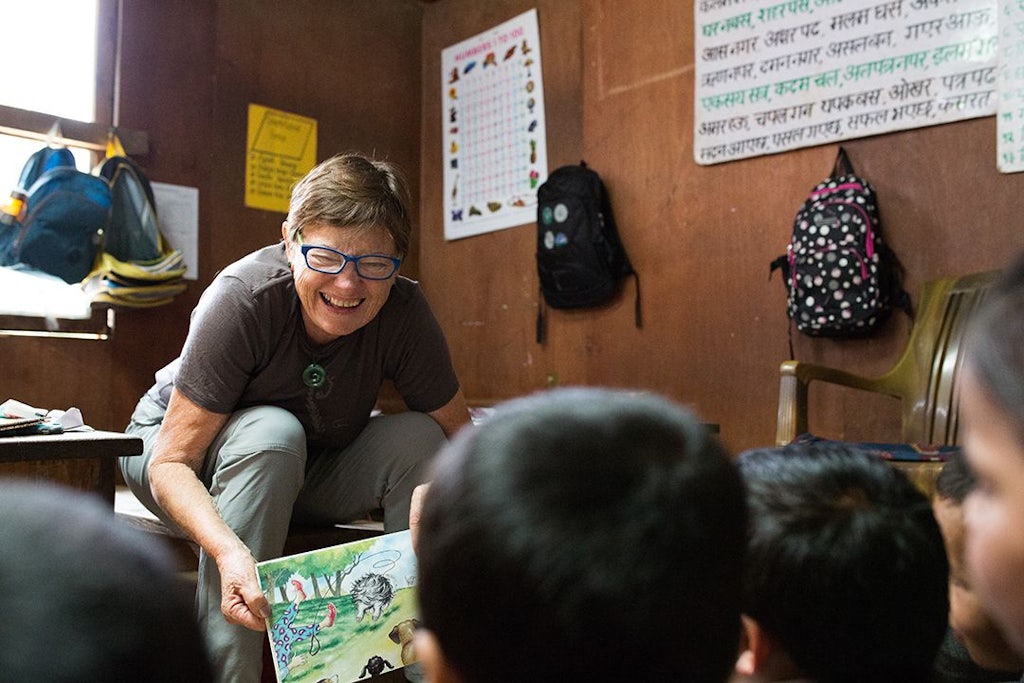
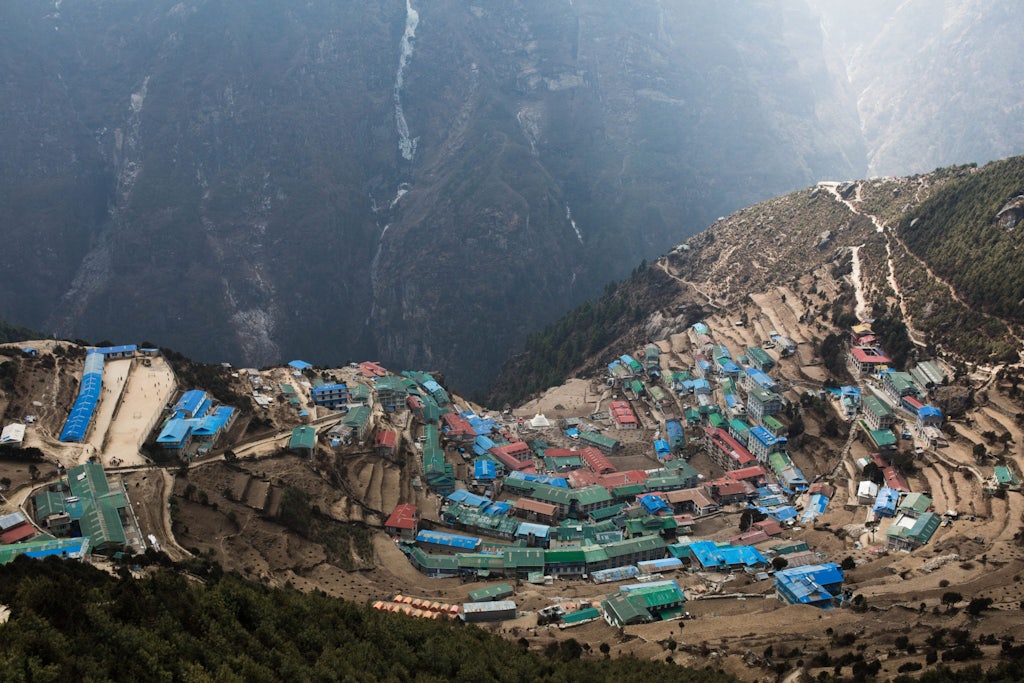
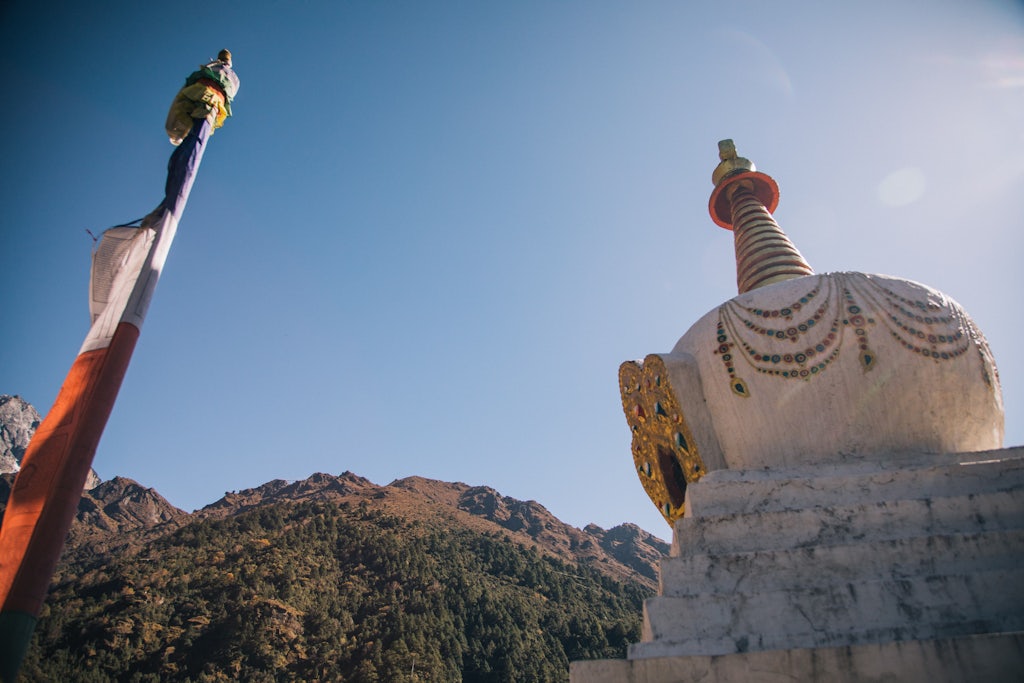
Photographs from previous Himalayan Trust treks through the same valleys.
From past trekkers
What people who've trekked with the Himalayan Trust say about the experience.
Ready to trek with us?
Registration is by expression of interest. We follow up within two working days with the trip notes PDF, payment timeline, and a short call to make sure the trek's the right fit.
Frequently asked questions
Mostly yes lower down, less so high up, where power depends on the weather. Bring a power bank. Part of the appeal is being properly off the grid for a stretch.
You arrange your own international flights to Kathmandu. A Nepal visa is straightforward to arrange online before you travel or on arrival. We handle everything from Kathmandu onward.
Trekking runs in Nepal's main seasons, when the days are usually bright and clear. Whatever the season, expect warm sun by day and cold nights at altitude, well below zero high up. Each trek's exact dates are at the top of its own page.
Pricing is based on twin-share. If you'd prefer a single room where it's available, there's a single supplement.
Tea-house trekking. Lodges with beds (usually twin share) and warm blankets, simple and comfortable rather than luxurious. In Kathmandu you stay in a hotel in Thamel.
Your fundraising contribution goes straight to the Himalayan Trust's education, healthcare and water work in Solukhumbu, the same valleys you walk through. It's the reason the trek exists.
Flights from Kathmandu to Lukla and back, all lodge accommodation, all meals on the trail, your trek leader, guides and porters, national park fees, airport transfers, Kathmandu accommodation and sightseeing, and a farewell dinner. International flights, visa, insurance, and personal extras are not included. The full list is on each trek's page.
We go slow on purpose, and your leader watches the group closely. If someone needs to descend, a guide accompanies them down to a safe altitude (usually Namche) to recover while the group continues. Your travel insurance needs to cover trekking up to 5,600 metres and emergency evacuation, by helicopter if that is what's needed. We will ask for your policy wording or a written statement from your insurer.
No. Plenty of our trekkers have never been to altitude. The itinerary is paced for safe acclimatisation, with rest days at Namche and Dingboche and a climb-high, sleep-low day before Base Camp.
Rate it moderate to challenging. The trails are moderate; the altitude is what makes it hard. If you can walk 4 to 7 hours a day with a daypack and you train your cardio and hills in the months beforehand, you'll be ready. No technical climbing is involved.
Still have questions?
Get in touch and our team will be more than happy to help.